
Collection Facts
Historical Context
There is no record of yellow fever ever having occurred in Rochester or in the Genesee River Valley. Why then a yellow fever collection in Western New York?
Its origin lies in the experiences of Rochester businessman, Edward G. Miner, during a trip to South America in 1908. In a letter written 36 years later, Miner reminisced, "One could only faintly realize how dreadful had been the devastation in life and property from this disease, but the tales of survivors and the evidence of former precautions which still remained, left an indelible impression upon my memory." This impression was translated into an enduring interest that took the form of book collecting.
Miner's bibliographic interests were extended to the library of the School of Medicine and Dentistry when the medical school opened in 1925. In April 1927, Miner presented to the Medical Library 41 titles on yellow fever - the first of many donations which he would make to the collection until his death in 1955. (The Library, of course, added to the collection simultaneously, and has continued to do so.) In recognition of his services to the University of Rochester and its libraries, the Medical Library was named in honor of Edward G. Miner in December 1952.
Scope of Collection
Digital collection contains more than 400 works on yellow fever published between 1741 and 1914 - works of those who saw it, who were puzzled by it, and who tried to prevent or cure it.
The occurrence of yellow fever in the Caribbean, the Middle Atlantic States, the Mississippi Valley and several European ports is abundantly documented.
Browse within this collection
Browse similar collections

Collection Facts
Historical Context
Yama Farms was an inn established by Frank Seaman and Olive Sarre in the early twentieth century. Both Olive and Frank traveled widely and were greatly influenced by the culture of Japan. They shared a vision for society which they were able to manifest in the unique resort which ultimately became Yama Farms, renowned for its Japanese style architecture and gardens. This idyllic setting provided a respite for artists, writers and captains of industry, as well as a place for reflection and innovation. Yama Farms was a model of sustainability for its day, with its own dairy, vegetable gardens and trout hatchery.
Scope of Collection
This collection includes images of Yama Farms Inn, as well as the grounds and farmland that surrounded the resort.
Browse similar collections

Collection Facts
Scope of Collection
This collection contains newspaper clippings about local men from Schohaire County, New York serving in the armed forces during World War II. These articles contain information on where each man received their training, the branch of the U.S. Military, where they did active duty, metal received, family connections, and where they are currently serving.
Browse within this collection
Browse similar collections


Collection Facts
Scope of Collection
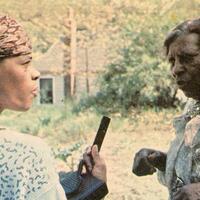
This collection of news reels contains special news documentary projects, year-end reviews, and primarily the raw interviews used in producing news segments for the WRKL Rockland County radio station. These reels were donated by Bob Lemoullec, former news director at the radio station.
Browse similar collections


Collection Facts
Historical Context
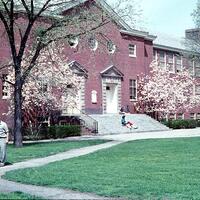
Beginning in February 1936, the Gallery was the center for Rochester-area Federal Arts Projects (FAP) funded by the Works Progress Administration (WPA).
Scope of Collection
This collection includes photographs of posters illustrating various national interest-weeks—like Book, Health, and Thrift Week, to be used in classrooms and auditoriums. There are also decorative hangings for lunch rooms, rest rooms and auditoriums in the public schools, and murals for the auditoriums of Madison and Edison Technical High Schools. Easel paintings for the walls of school auditoriums and libraries are also included. There are two models by Richard Bills of the Temple of the Warriors in Yucatan and the Temple of Karnak, constructed in accurate scale for use in school rooms. There are drawings and photographs created for the Index of American Design. The catalogue of an exhibition of the FAP work held at MAG in December 1937-January 1938 is also part of this collection.
Browse within this collection
Browse similar collections

Collection Facts
Historical Context
World’s fairs are large public exhibitions of items that can vary, depending on where the fair is held. The fair originated in France during the mid-nineteenth century and spread to other countries as time went on. The first era of the World’s Fair was known as the Industrial Era (1851 - 1938) and showcased new inventions made during this time period, such as the telephone. During this time, the World’s Fair took place in multiple cities around the world, including cities within the United States: New York, Philadelphia, Chicago, Buffalo, St. Louis, and San Francisco.
Scope of Collection
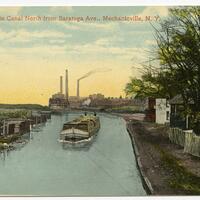
This collection contains items relating to the World’s Fair, including advertisements, trading cards, and architectural images.
Browse within this collection
Additional Information
This collection contains a larger number of items relating to the World’s Fair, including advertisements, trading cards, and architectural images.
Browse similar collections

Collection Facts
Historical Context
Virgil Deyo (1923-1944) was a soldier from Prattsville, NY who fought in World War II. He served as a Staff Sergeant & Waist Gunner in the 498th Bomb Group for the U.S. Air Force. Virgil was killed in action in July of 1944.
Scope of Collection
This collection contains letters written between 1942-1945, primarily from Virgil to his family, particularly his mother, Alta Peckham Deyo.
Browse within this collection
Browse similar collections

Collection Facts
Historical Context
World War I was a global war that took place between 1914 and 1918. It is also known as the Great War. World War I originated in Europe and was fought between two sides, the Allies and the Central Powers. The Allies included Great Britain, France, Russia, and eventually the United States and Japan. The Central Powers included Germany, Austria-Hungary, and Italy. The Allies were the victors of World War I, and the war became known as one of the deadliest conflicts in history.
Scope of Collection
This collection is a collection of World War I-era postcards that were a gift to Union College from William Nelson Potter Dailey, a member of the class of 1884. Most of the postcards are of France, but some feature Great Britain, Italy and Monaco.
Browse within this collection
Browse similar collections


Collection Facts
Scope of Collection
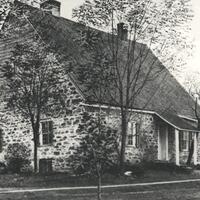
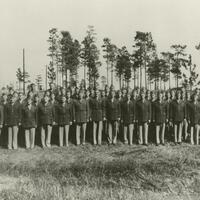
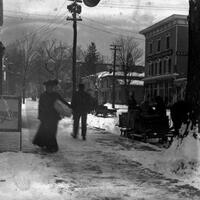
This collection contains materials that document the work of local organizations, as well as local military personnel who served during the First World War (1914 – 1918). Included are letters and photographs collected by the family of World War One veteran David Wright Hudson (1893-1971).
Browse within this collection
Browse similar collections

Collection Facts
Scope of Collection
This collection consists of newspaper articles from 1940s about the men from Middleburgh, NY and the surrounding area who died in World War II.