Rocks provide the primary record of geological history. We classify rocks into three categories – igneous, sedimentary, and metamorphic. These classifications help us to understand how each rock was formed. These three basic categories of rock form the rock cycle, a series of processes that create and transform the types of rocks on Earth.
Each type was formed through some kind of physical change, whether it was melting, cooling, eroding, compacting, or deforming.
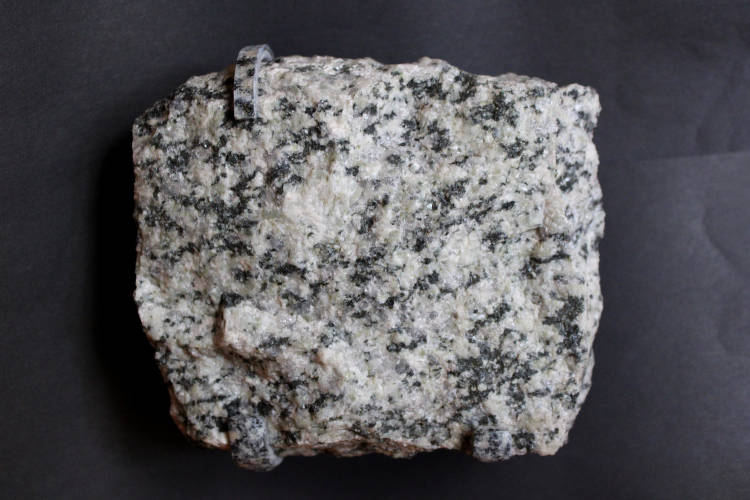
Granite is an igneous rock. Igneous rocks, like granite, were formed from cooled magma. Although there was never any volcanic activity in Western New York, pieces of granite are found throughout the area because large glaciers during the Ice Age carried the granite from areas north of New York State and deposited it here. Granite has large mineral crystals because it cools slowly, deep within the Earth. Slow cooling allows time for the mineral crystals to grow.
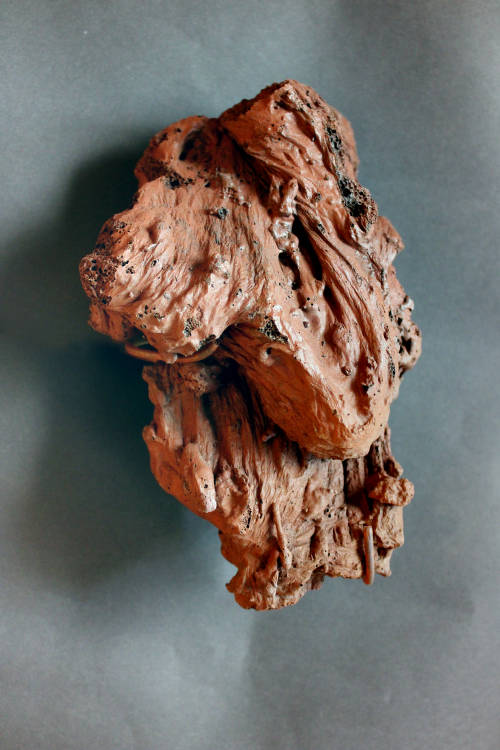
Lava is an igneous rock. Igneous rocks with small crystals, like this example, come from lava that has erupted onto the earth’s surface and has cooled quickly.
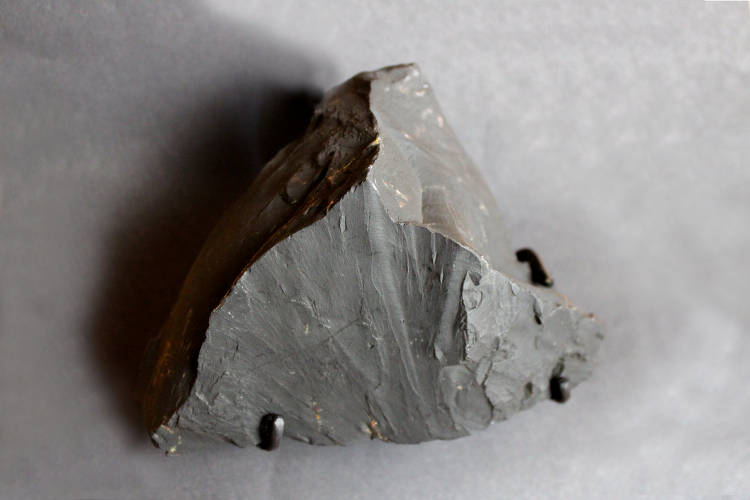
Coal is a sedimentary rock. Sedimentary rocks are made from pieces of other rocks or even organic materials. Coal, for example, is formed from the remains of ancient plants.
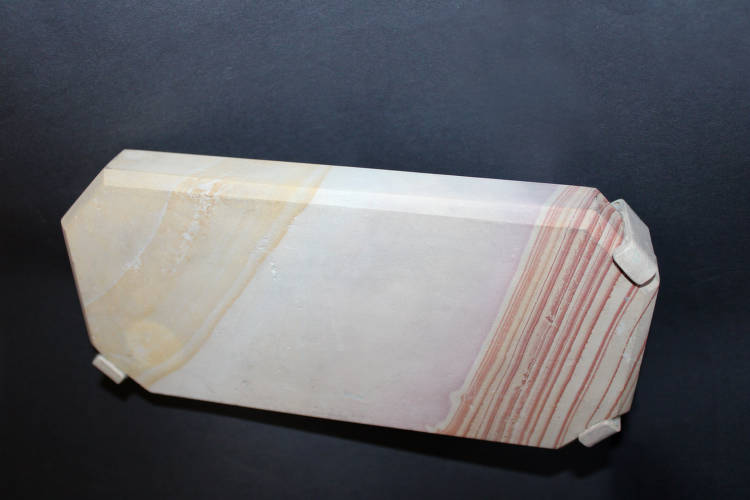
Banded clay is a sedimentary rock. Today's beach could be tomorrow's next rock formation! This banded clay was formed from clay-sized sediment settling out in very calm waters.
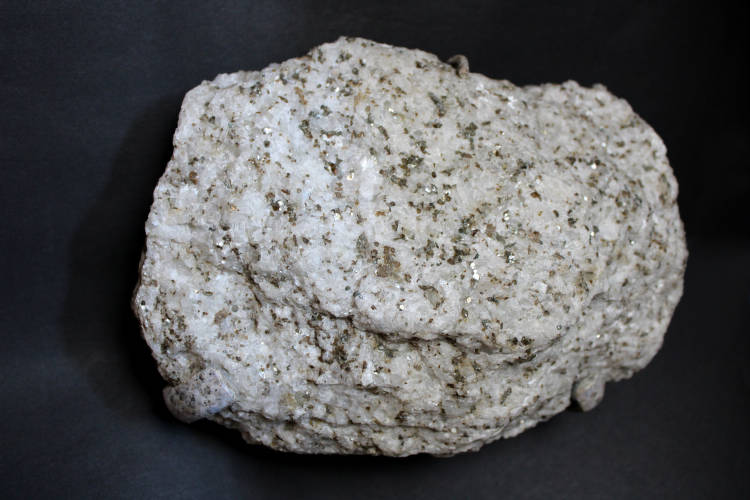
Impure marble is a metamorphic rock. Metamorphic rocks start as one rock type and are transformed by heat and/or pressure into another rock type. The sedimentary rock limestone is transformed into marble during metamorphosis.
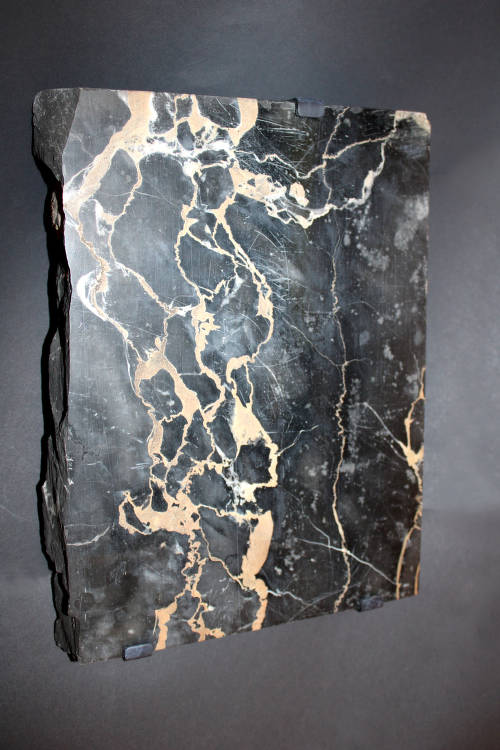
Marble is an example of metamorphic rock. Commonly used for sculptures, buildings or tabletops, marble is more durable than the limestone or dolostone it was originally.